
Reviewed · WORKSHOPS
Hawaiian Reef Spearfishing Lesson for Beginners on Kauai
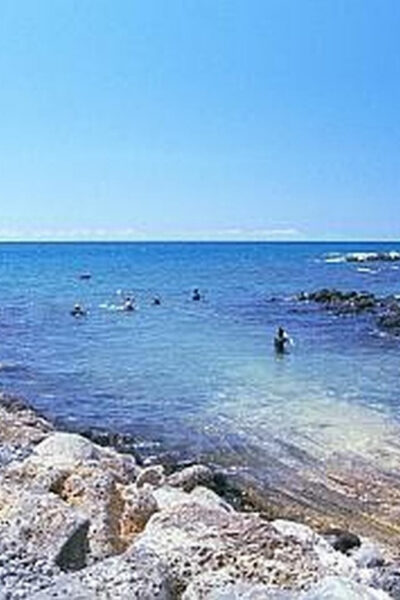
Reef spearfishing is hands-on, not scary theory. This Kauai lesson turns you from snorkel-surfer into reef shooter with a clear plan: learn the safety and fish ID on shore, then practice with a guide on the water at Anini Beach. You’ll also get a way to bring something real home, if the reef gives you a fish.
I love the 45-minute on-shore master class. You start learning gear safety, how to spot native vs invasive reef fish, and the responsible way to hunt on a Hawaiian reef. I also love the two-hour guided session that keeps you focused on technique instead of guesswork.
One possible drawback: this is physical work. Expect swimming effort, some current resistance, and arm stamina—especially as you practice holding the spear ready.
In This Review
- Key things to know before you try Hawaiian reef spearfishing for beginners on Kauai
- Where it starts: Anini Beach and what the 3 hours feel like
- The 45-minute on-shore master class: what you learn before the reef
- Gear, fins, and the one thing you must bring
- Two hours in the water: technique, current, and real-world shooting
- Sustainable practices and what you take home
- How “beginner-friendly” this really is (and who should go)
- Price and value: is $125 worth it?
- Tips to make your Kauai spearfishing lesson go smoother
- Should you book this Hawaiian reef spearfishing lesson on Kauai?
- FAQ
- Do I need my own fins?
- What’s included in the lesson?
- What’s not included?
- Where is the meeting point?
- What time does the tour start?
- How long is the experience?
- Do I need a Hawaii recreational fishing license?
- Is it catch-and-cook?
- How many people are in the group?
- What if the weather is bad or I need to cancel?
Key things to know before you try Hawaiian reef spearfishing for beginners on Kauai
- Anini Beach start point: you begin at 4241 Anini Rd, Kilauea (Anini Beach area), and you’re back there at the end.
- Fins are required: snorkeling gear is provided except fins, so pack your own.
- A real lesson structure: 45 minutes on shore, about two hours in the water, then photos and Q&A for the last 15 minutes.
- Small group size (max 6): the guide can give real coaching and adjust for your pace.
- In-water focus, not a guaranteed catch: the goal is skill + sustainable practice, with fish as a bonus.
- Hawaii fishing license needed for out-of-state: recreational ocean fishing license costs $20 for 24 hours via DLNR.
A few more Kauai tours we have been out and rated
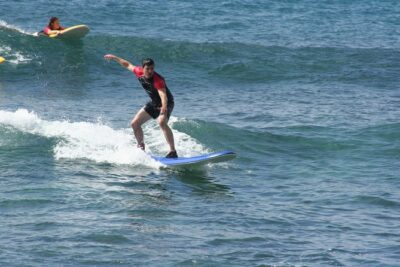
- Po’ipu Surf Lesson★ 5.0 · 361 reviews
- Private Hanalei Sandy Bottom Surf Lesson on Kauai★ 5.0 · 339 reviews
- Kauai’s Ultimate Group Surf Lesson★ 5.0 · 110 reviews
- Kauai’s Ultimate Semi-Private Surf Lesson★ 5.0 · 33 reviews
Where it starts: Anini Beach and what the 3 hours feel like
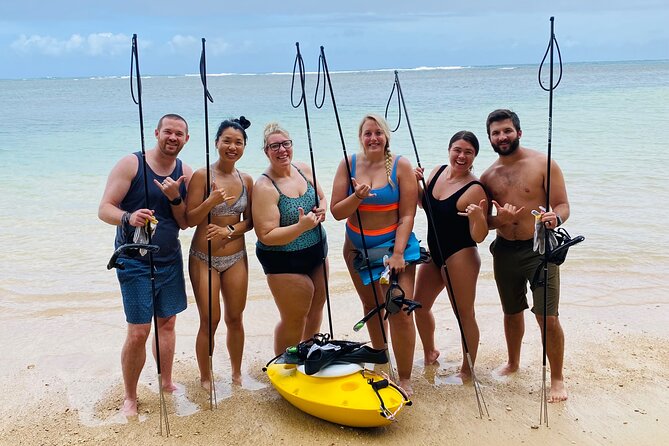
Your morning kicks off at 9:30 am at 4241 Anini Rd, Kilauea, HI 96754, and the whole experience loops back to the same meeting point. Plan on about 3 hours total, even though the in-water portion is closer to two hours. That mix matters: you get instruction time to absorb what you’re doing before you’re out there with saltwater in your mask and a live coral world around you.
The tour is limited to a maximum of 6 people, which is a big deal for a beginners’ activity. You’re not shuffled through like a factory group—you get coaching, corrections, and a more manageable pace.
One practical point: transportation isn’t included. If you’re staying in or near Princeville/Haena-side areas, you’ll likely want a car or a local ride plan so you’re not rushed.
The 45-minute on-shore master class: what you learn before the reef
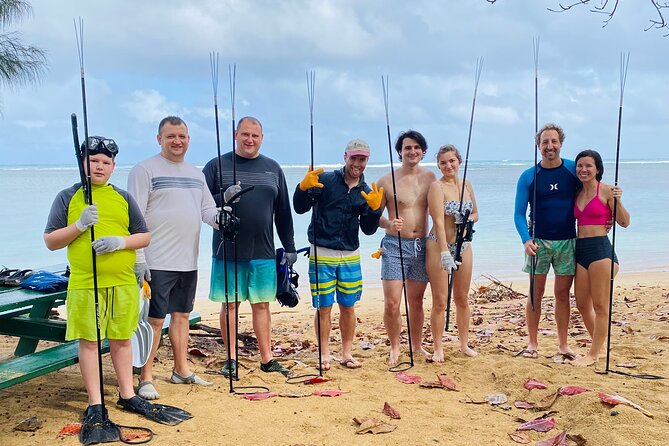
The first chunk is intentionally on land: about 45 minutes of instruction. This is where you get the rules and the “how” so you don’t spend the ocean time learning the basics.
Here’s what you’re taught:
- Gear safety: how to handle your equipment responsibly and keep everyone safe around you.
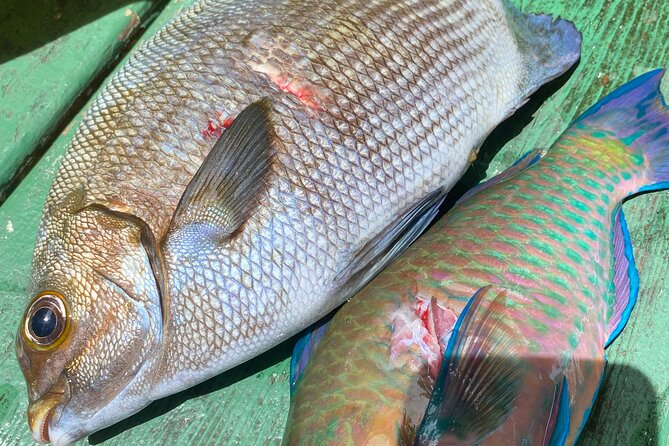
- How to identify reef fish: you’ll learn to recognize native and invasive reef fish. That’s not trivia for show; it’s part of responsible hunting and better targeting.
- Underwater practices for beginners: you review responsible diving habits (kept practical, safety-first).
- How the lesson will work in the water: what your guide expects you to practice.
Instructors you might encounter include Aidden, Christian, and Tui. From the way different groups describe their teaching, the common theme is clear explanations and patience—especially for people who are new to snorkeling with a purpose.
Why this matters: learning safety and fish recognition first helps you spend your energy where it counts. When you reach the reef, you’re not just chasing movement—you’re matching what you see to what you were taught.
Gear, fins, and the one thing you must bring
You’ll use provided snorkeling equipment and a traditional spearfishing setup, including a traditional three-prong spear. What you must bring is your fins—the tour specifically requires them.
This requirement is easy to overlook. Don’t. Good fins can turn a hard swim into a steady one. If your fins are flimsy, you’ll lose power and end up fighting the water instead of controlling your position. Current resistance is part of this experience, so you’ll want gear that performs.
What you should bring on your own:
- Your fins (required)
- Snacks and water (bring your own)
- Sunscreen (not included)
- Basic sun protection in general (hat/rash guard if you have one)
Also note: the experience is listed in English, and you’ll get team photos and a Q&A at the end.
Two hours in the water: technique, current, and real-world shooting
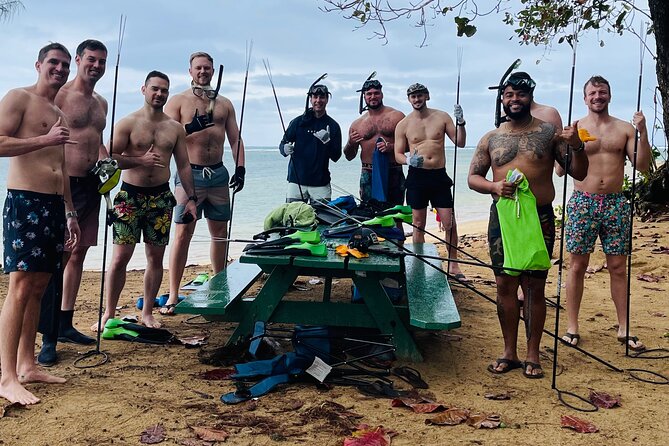
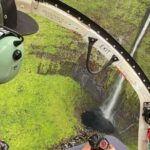
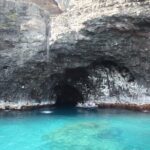
After the shore lesson, you suit up and head out for an in-water guided spearfishing session for about two hours. This is where you practice everything you just learned—fish spotting, aiming, and responsible shots.
Expect a few realities:
- You’ll likely swim with some current resistance.
- You might be farther out than typical snorkeling spots, depending on conditions and where the guide is working.
- You can be spread out from other people in your group—one account describes being 50–100 yards apart—so listen closely to instructions before you go out.
Depth can surprise beginners. One participant noted the deepest felt around five feet, and the instruction kept people in safer, shallow areas. Still, don’t treat it like a pool lesson. You’re in open water with tides and surf impacts.
How the practice feels
Think of it as repetition under pressure. You’ll learn timing—when to move, when to freeze, and how to line up a shot without rushing. Several people mention it’s not as easy as it looks, even when you understand the idea.
One small but important performance note: the spear is basically a slingshot-style setup. Holding and loading it takes effort, especially in your dominant arm. If you arrive with low swim stamina or tired shoulders, the session can feel more punishing than fun.



Sustainable practices and what you take home
This lesson is built around instruction and sustainable practices, not catch-and-cook. That doesn’t mean it’s fish-free—it means there’s no on-site cooking setup and no guarantee that you’ll bring dinner back.
If you land a fish, your guide will bag it so you can enjoy your own catch of the day at home. Some guides also help with basic processing so you can cook it later, but you should treat that as “ask and follow the plan,” not as a guaranteed restaurant-service level of help.
Why the sustainability focus matters to you
If you’re new to this sport, you’ll likely appreciate having a framework for what to target and why. Learning native vs invasive fish recognition helps you feel less like you’re just shooting randomly and more like you’re participating responsibly in the ecosystem.
And if you don’t catch a fish, you’re still leaving with skills: how the gear works, how aiming changes with movement and water conditions, and how to read the reef instead of staring at it.
How “beginner-friendly” this really is (and who should go)
This is for beginners, yes—but it’s not for people who are weak swimmers.
You’re told the activity requires strong physical fitness, and it’s also framed as needing comfort with swimming and snorkeling. The guide needs to take you to spots that aren’t tourist-level easy, because the best reef experience often comes with some swim effort.
You’ll likely enjoy it most if:
- You already feel comfortable snorkeling
- You can handle some swim resistance and keep your composure
- You’re willing to practice—multiple attempts are normal
- You want a real skill, not just a quick photo stop
If you’re the type who panics under effort, this might be the wrong “first water activity” for your trip. Look for something gentler first, then come back when you can handle the ocean energy.
For families: it can work, but everyone should be able to swim well and stay focused. Some family groups in similar lessons reported success, while others didn’t catch fish but still had a memorable time.
Price and value: is $125 worth it?
At $125 per person for about 3 hours, the value depends on what you want out of the experience.
You’re paying for:
- A structured beginner master class (not a vague “go try” setup)
- A guided session where someone watches technique and safety
- Use of snorkeling equipment and a three-prong spear
- The chance—no guarantee—to bring home fish
If you’re hoping for a guaranteed catch, adjust your expectations. This is skill training on a reef, and fish outcomes depend on conditions and timing.
That said, it can be worth it in a big way if you treat it like a hands-on lesson you can carry forward. Several people describe it as a favorite Kauai activity because it turns the island reef from scenery into something you can actually understand and interact with responsibly.
Tips to make your Kauai spearfishing lesson go smoother
A few practical prep ideas can save you stress out on the water:
- Practice snorkeling first if it’s been a while. Being comfortable with mask breathing and body position helps everything else.
- Bring better fins than cheap ones if you have them. Current resistance is real here.
- Do a little fish homework before you go. Knowing what you’re looking for makes the shore lesson click faster.
- Watch tide timing. One account says low tide made the swim back harder and risked getting scraped up.
- Treat it as trial-and-error. Getting your first solid shot can take practice.
And don’t forget the simple stuff: sunscreen and water. You’ll be in the sun, working hard, and you don’t want to run out mid-session.
Should you book this Hawaiian reef spearfishing lesson on Kauai?
Book it if you want an authentic Kauai activity with real coaching, small group energy, and a structured path from shore safety to reef practice. It’s a great match for active people who can swim and snorkel confidently and who like hands-on learning.
Skip it if you’re looking for a very easy, low-effort water experience or if you’d struggle with open-water swimming. Also, don’t book with dinner as the only goal. If you go for the lesson and respect the reef, the day can still be a win—even without a fish in your bag.
FAQ
Do I need my own fins?
Yes. The tour provides snorkeling equipment except fins, and fins are required. Bring your own fins.
What’s included in the lesson?
You get snorkeling equipment (except fins), spearfishing instruction and a beginner master class, and a guided in-water spearfishing session. You also use a traditional three-prong spear.
What’s not included?
You’ll need to bring fins, your own snacks and water, sunscreen, and you’re responsible for your Hawaii recreational ocean fishing license if you’re out of state. Transportation to and from the meeting point isn’t included.
Where is the meeting point?
The start point is 4241 Anini Rd, Kilauea, HI 96754, USA (Anini Beach area). The activity ends back at the meeting point.
What time does the tour start?
It starts at 9:30 am.
How long is the experience?
It’s about 3 hours total, including a 45-minute on-shore master class, about two hours in the water, and 15 minutes for photos and Q&A.
Do I need a Hawaii recreational fishing license?
If you are an out-of-state resident, Hawaii requires a recreational ocean fishing license. It costs $20 for 24 hours and is available on the DLNR fishing website.
Is it catch-and-cook?
No. The lesson focuses on instruction and sustainable practices. If you catch a fish, your guide will bag it for you to enjoy at home.
How many people are in the group?
The maximum group size is 6 travelers.
What if the weather is bad or I need to cancel?
The experience requires good weather. If it’s canceled due to poor weather, you’ll be offered a different date or a full refund. You can cancel up to 24 hours in advance for a full refund.
More Workshops in Kauai

More Tour Reviews in Kauai

Just Reviewed: The Newest Kauai Tours



Workshops, compared.
 ★ 5.0Po’ipu Surf LessonFrom $89361 reviews
 ★ 5.0Private Hanalei Sandy Bottom Surf Lesson on KauaiFrom $118339 reviews
 ★ 5.0Kauai’s Ultimate Group Surf LessonFrom $121110 reviews
 ★ 5.0Kauai’s Ultimate Semi-Private Surf LessonFrom $19133 reviews
 ★ 4.9Kalapaki Beach: Surfing Lesson with Kauai Beach BoysFrom $10326 reviews
 ★ 5.0Semi Private Surf LessonsFrom $17523 reviews
 ★ 5.0Corner Store Kauai Cooking ClassFrom $17318 reviews
 ★ 5.0Group Surf Lesson at Kalapaki BeachFrom $10318 reviews
Browse the lists this tour appears in