
Reviewed · KAUAI WHALE & DOLPHIN CRUISES
Winter Whale Watching Adventure in Kauai
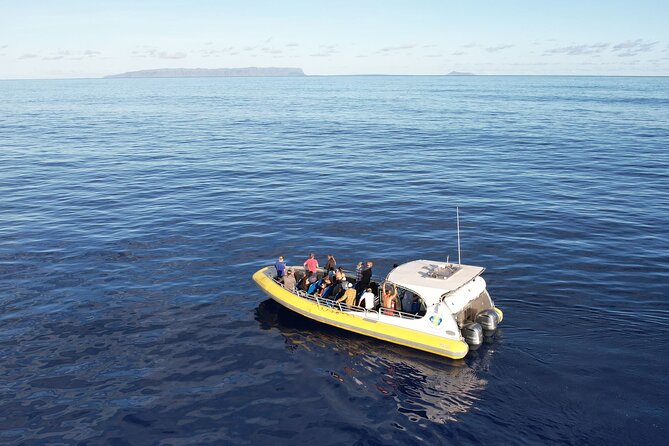
Winter whales love these rough Kauai waters. I’m drawn to this trip because it’s open-air and built for serious 360° viewing, so you’re searching for humpbacks like they’re right in front of you, not far away. You’ll be out on the water for about two hours, with conditions that can swing from smooth to “hold on” bumpy depending on the day.
Two things I really like: the 360° views from a super-raft so everyone can spot whales from different angles, and the chance to hear whales underwater via hydrophones when the sea allows. That audio detail turns a good whale sighting into something you’ll remember long after you’re back on land.
One possible drawback: the ride can get rough, and the onboard sound system can feel loud to some people, so it’s smart to plan for motion and keep whale time as your priority. If you get seasick easily, or you hate being splashed, this may not be your easiest day.
In This Review
- Key highlights to know before you go
- Winter whale watching on Kauai feels like a daily weather puzzle
- The super-raft ride: what “open-air” really means for your comfort
- A practical tip I’d follow
- Stop 1: Kauai waters—how sightings happen (and why the crew matters)
- What you’ll actually look for on the water
- Crew personality: Captain J’s team turns “finding whales” into a shared mission
- Price and value: is $137 worth a bumpy two hours?
- Where you meet and how to plan your timing
- What to pack: your “survival kit” for winter ocean spray
- Who should book (and who should skip)
- Should you book Captain J’s Kauai Offshore Adventures?
- FAQ
- How long is the winter whale watching tour in Kauai?
- Where is the meeting point?
- What is the minimum age for this tour?
- Will I hear whales underwater during the tour?
- Will I get wet?
- Who is not allowed to join based on health or physical restrictions?
- What happens if the tour is canceled due to weather?
Key highlights to know before you go
- Open-air, super-raft 360° sightlines for humpbacks coming up in different spots
- Hydrophones when conditions allow so you can hear underwater whale song
- Crew effort to reposition when whales surface on one side of the boat
- Snacks and refreshments onboard to keep energy up during the hunt
- Small-group feel (up to 28 max, often less on the ride)
- Bring a towel because sea spray and wave splash are part of winter ocean life
More mornings with whales and spinners
- ‘Imiloa Express Whale Watch and Cocktail Tour★ 4.5 · 402 reviews
- Kauai’s South Side Whale and Dolphin Zodiac Boat Adventure★ 4.5 · 163 reviews
- Kauai Raft Adventure: Whale Watch Discovery★ 4.5 · 38 reviews
- Poipu Sea Kayak Tour: Turtle, Dolphins and Snorkel★ 5.0 · 6 reviews
Winter whale watching on Kauai feels like a daily weather puzzle
Kauai’s winter humpbacks show up closer than many people expect, but the ocean is never static. One day you’ll be gliding along with calm enough water to enjoy the coastline; another day you’ll be bouncing while the crew works hard to keep the boat in the right place. That’s why I like this style of tour: it’s built around adapting to the day, not pretending the sea will behave.
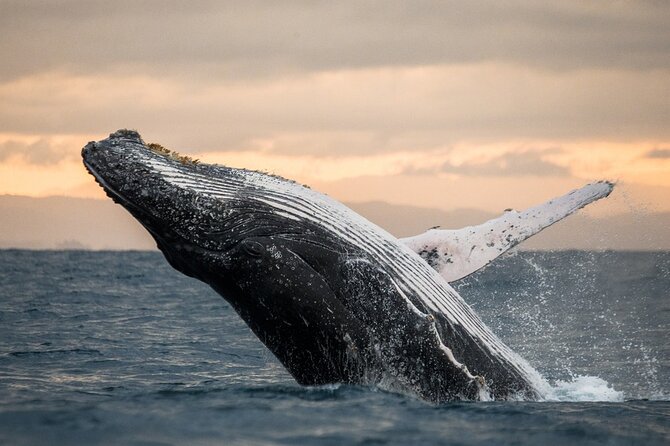
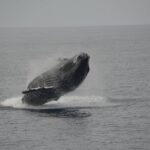
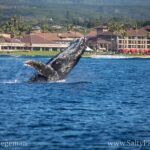
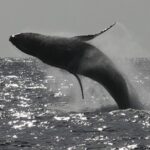
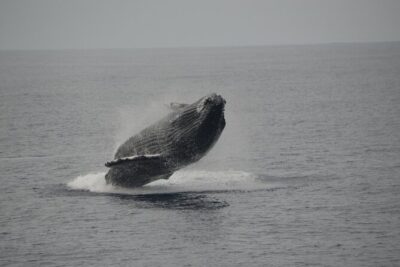
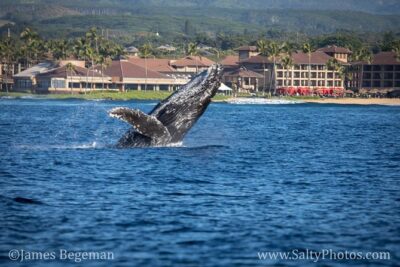
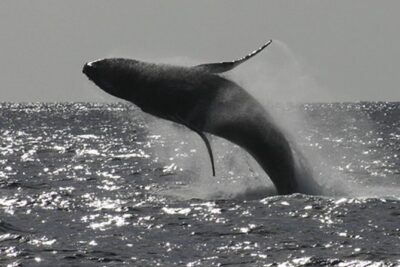
If you’re chasing humpback drama—breaches, tail-slaps, and those slow cruising passes—this is the season to do it. Winter also increases your odds of seeing multiple whales in a session, and many departures include dolphins as a bonus when the pod is nearby.
The super-raft ride: what “open-air” really means for your comfort
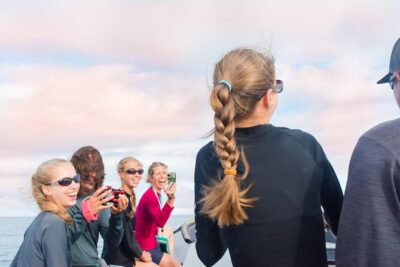
This is a fully open-air setup, and that changes the whole feel of whale watching. You’re not wrapped up in cabin windows; you’re standing or bracing in the elements with that ocean air in your face. On calmer outings, it’s exhilarating. On rougher outings, it’s also more physically real—heads up for wind, spray, and bounces.
The boat is designed for adventure, not a slow, smooth cruise. Expect a fast run out to where the whales are likely to be, then maneuvering as conditions and sightings change. Several people highlight that the ride can be bumpy, and some mention getting wet depending on the waves and where you sit.
A practical tip I’d follow
Pack like you’re going to the beach, then add motion-sickness gear. Even with life jackets onboard, you’ll want a towel and dry layers waiting for you when you’re back at shore.
Stop 1: Kauai waters—how sightings happen (and why the crew matters)
The entire tour centers on the Kauai offshore whale grounds. There’s no “stop and sit” moment where you just hope for the best; instead, the crew looks for breaching, tail-slapping, and cruising humpbacks while constantly judging the sea state.
This tour also uses whale-detection tools when possible, including hydrophones and a microphone setup for underwater sound when conditions allow. In plain terms: if the ocean calms down enough, you may get that rare experience of hearing whales instead of just watching them.



What you’ll actually look for on the water
Humpbacks don’t surface on a predictable schedule, and you might see:
- A breach that happens fast, then disappears
- A tail slap after the whale has angled away
- A close cruising pass where you can track movement across the boat’s viewing angles
The open-air design helps because whales can surface on either side. And multiple people mention that captains and deckhands work to turn or position the boat so more guests get a proper look, especially when whales appear on the far side first.
Crew personality: Captain J’s team turns “finding whales” into a shared mission
A big part of the value here is how the captain and crew run the hunt. Names that come up in people’s experiences include Captain Andrew (often paired with mate Matt), Captain Ryan (with Mason), and Captain Andy, plus other deckhands like Max and Kannon. Across those accounts, the common thread is the same: they focus on safety, they communicate, and they keep trying even when the ocean is working against them.
What I especially like is how the crew balances action with respect for wildlife guidelines. Whale watching isn’t just “speed up and get close.” When the sea is rough, a captain’s judgment matters even more—where to go, how to approach safely, and when to give whales space so sightings can unfold naturally.
And when conditions get tough, you can feel the difference between a tour that’s treating it like a checklist versus one that’s treating it like a real outing. People repeatedly highlight that the crew worked hard to locate whales and help everyone see them, even during rough water.
Price and value: is $137 worth a bumpy two hours?
At $137 per person for about two hours, you’re paying for three things: a small-to-mid size boat, the crew’s active search, and the winter-season chance to see humpbacks performing. In whale watching, that’s what usually makes the biggest difference between a forgettable trip and a highlight day.
Here’s the honest way to think about value:
- If the ocean is cooperative and you get multiple sightings (tails, breaches, mom-and-calf moments), the price feels like a steal for the experience level you get.
- If whales stay distant or don’t resurface during your close approaches, no tour can fully control that. You’ll still get a thrilling ride and coastline views, but the emotional payoff depends on the day.
I also like that this tour often runs with a maximum of 28 people, which can make the experience feel less crowded than bigger boats. Some departures seem to run with a smaller group feel, which helps when you’re trying to spot fast surface events.
Where you meet and how to plan your timing
You’ll start at Captain J’s Kauai Offshore Adventures, 4353 Waialo Rd #4B, Eleele, HI 96705, and the tour returns back to the meeting point. That loop matters because it keeps your day simple—you’re not piecing together a long shuttle chain.
One more planning reality: this kind of whale watching is popular. It’s commonly booked about 25 days in advance on average, so I’d aim to lock in your date early, especially if you’re traveling in peak winter.
What to pack: your “survival kit” for winter ocean spray
Because the tour is open-air and the ocean can be unpredictable, you’ll have a better day if you pack for two weather moods: warm sun and sudden spray.
Bring:
- A towel (more than one person wished they had one)
- A light layer you can tolerate getting damp
- Motion-sickness support if you’re sensitive (people mention planning for seasickness and using remedies that work for them)
- Sunscreen and sunglasses, because winter sun can still be strong
If you’re sitting toward the back, expect more spray on rougher days. That’s not a guarantee, but it’s a common trade-off on open boats when waves hit from different angles.
Who should book (and who should skip)
This tour is best for people who can handle an adventurous boat ride and still enjoy being outside in wind and spray. The physical requirements are clear: you should be able to walk about 200 yards to and from the boat, and you should have a moderate physical fitness level.
It may not be right for you if you have any of the listed medical limitations, including back, neck, or heart issues, recent surgeries affected by jarring or bouncing, or if you have a history of seizure. Expectant mothers also cannot participate.
The tour also has clear rules for kids: the minimum age is 4, and minors must be accompanied by a legal guardian. Emergency life jackets are onboard, but standard life jackets are for children only, so adults should plan on the emergency setup if needed.
Finally, this is not a “late-arrival forgiven” kind of outing. The experience notes no refunds for late arrivals or undisclosed health concerns, so show up early and don’t cut it close.
Should you book Captain J’s Kauai Offshore Adventures?
If you want an up-close winter whale experience with open-air 360° viewing, an energetic small-boat feel, and the possibility of hearing whale song via hydrophones on the right day, I think this is a strong pick. The crew effort is consistently praised, especially the way they work to reposition when sightings happen on a specific side of the boat.
I’d say skip it (or choose another style) if you strongly dislike rough rides, hate loud onboard sound, or know you’ll be miserable with motion and spray. This tour leans into the ocean’s real conditions, which is exactly why some people love it—and why a few don’t.
Overall: for most travelers chasing humpback highlights in Kauai’s winter season, this is the kind of outing that can turn into a top day on the island.
FAQ
How long is the winter whale watching tour in Kauai?
The tour lasts about 2 hours.
Where is the meeting point?
You’ll meet at Captain J’s Kauai Offshore Adventures, 4353 Waialo Rd #4B, Eleele, HI 96705.
What is the minimum age for this tour?
The minimum age is 4 years old, and minors must be accompanied by a legal guardian.
Will I hear whales underwater during the tour?
They use hydrophones when conditions allow, which can give you the rare chance to hear whales’ underwater songs.
Will I get wet?
You should expect sun and sea spray. Some people note you can get wet depending on the waves, so bringing a towel is a smart move.
Who is not allowed to join based on health or physical restrictions?
Guests with back, neck, or heart issues are not permitted, as well as expectant mothers. The experience also lists limits for recent surgeries affected by jarring or bouncing, and for guests with a history of seizure. You must be fit to walk 200 yards to and from the boat.
What happens if the tour is canceled due to weather?
This experience requires good weather. If it’s canceled due to poor weather, you’ll be offered a different date or a full refund.
Whale Season off Kauai
More Tour Reviews in Kauai


Whales and Dolphins Offshore
Just Reviewed: The Newest Kauai Tours


Kauai Whale & Dolphin Cruises, compared.
 ★ 4.5‘Imiloa Express Whale Watch and Cocktail TourFrom $135402 reviews
 ★ 4.5Kauai’s South Side Whale and Dolphin Zodiac Boat AdventureFrom $158163 reviews
 ★ 4.5Kauai Raft Adventure: Whale Watch DiscoveryFrom $10638 reviews
 ★ 5.0Poipu Sea Kayak Tour: Turtle, Dolphins and SnorkelFrom $2696 reviews
Browse the lists this tour appears in