
Reviewed · POIPU & SOUTH SHORE TOURS
Shore Dive with Sea Turtles @ Koloa Landing for Certified Divers
Sea turtles, right off shore. At Koloa Landing, I’d call this one of Kauai’s best odds-per-minute outings for certified scuba fans, because the site is known for Hawaiian green sea turtles and the crew takes shore entries seriously. You’ll spend about two hours on the water, starting with a proper briefing before you head in.
What I like most is that you don’t just get a quick label-and-go experience. You’ll be checked in at the shop, your certification gets verified, and you’re introduced to a professional guide before you’re transported to Koloa Landing for safety and site procedures. Second, the included gear package helps you travel lighter: wetsuit, mask, fins, and booties, plus bottled water and snacks.
The main thing to consider is that this is for certified divers only and shore conditions can be work. One recent diver described a heavy current plus repeated drills, so if you’re expecting a relaxed, no-effort show-up-and-float, you may be disappointed.
In This Review
- Key Things To Know Before You Go
- Koloa Landing: Why This Shore-Scuba Setup Works
- What the 2-Hour Experience Feels Like (Step by Step)
- Check-in and certification check
- Get introduced to your guide, then head to the water
- Site briefing first, then the water
- Underwater Highlights: Sea Turtles at Koloa Landing
- Gear and What You’ll Need to Cover Yourself
- Price and Value: Is $153.16 Worth It?
- Shore Conditions: Current, Exercises, and Staying Flexible
- Your Post-Scuba Plan: The 1,000-Foot Rule
- Logistics That Can Make or Break the Day
- Who This Is Best For (and Who Might Pass)
- Should You Book This Turtle-Focused Shore Scuba Session?
- FAQ
- What location is this experience in?
- How much does it cost?
- How long is the experience?
- Do I need to be a certified scuba diver?
- What equipment is included?
- What scuba gear is not included?
- Is transportation included?
- What are the requirements after the last dive?
- How many people are in a group?
- What is the cancellation policy?
- Is the tour language English?
Key Things To Know Before You Go
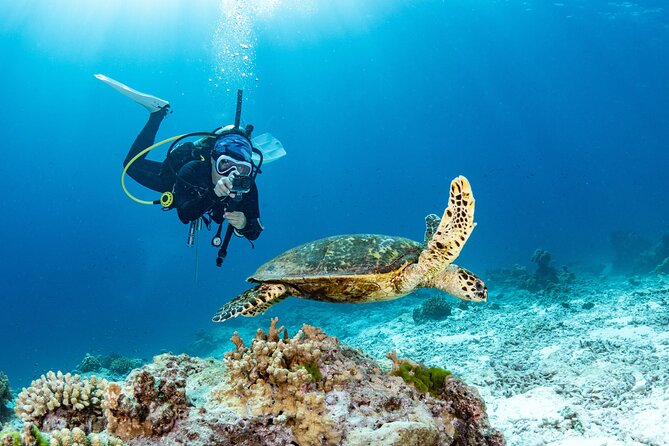
- Koloa Landing turtle odds are strong, but sightings aren’t guaranteed because these are wild animals.
- Certified divers only: there’s no teaching included, so you should be comfortable with your skills.
- Gear is partly provided (wetsuit, mask, fins, booties) but key items like regulator/BCD are not.
- Small group size with a maximum of 7 travelers, which usually keeps you from feeling lost in the shuffle.
- Shore conditions matter; expect guidance on procedures and possibly some control exercises.
- Plan for the post-dive altitude rule: stay below 1,000 ft for 18 hours after your last dive.
More sunny days on the south shore
- Kauai’s Ultimate Guided Shore Snorkel in South Poipu★ 5.0 · 875 reviews
- Kauai’s Ultimate South Island Zodiac Boat Snorkel Adventure★ 5.0 · 394 reviews
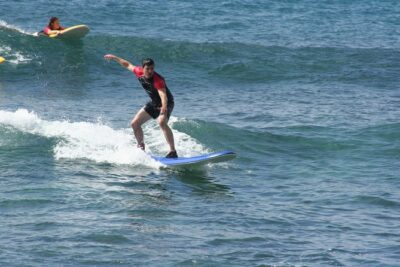
- Po’ipu Surf Lesson★ 5.0 · 361 reviews
- Kauai’s Ultimate South Shore 2 Tank Dive (Certified Divers Only)★ 5.0 · 190 reviews
Koloa Landing: Why This Shore-Scuba Setup Works
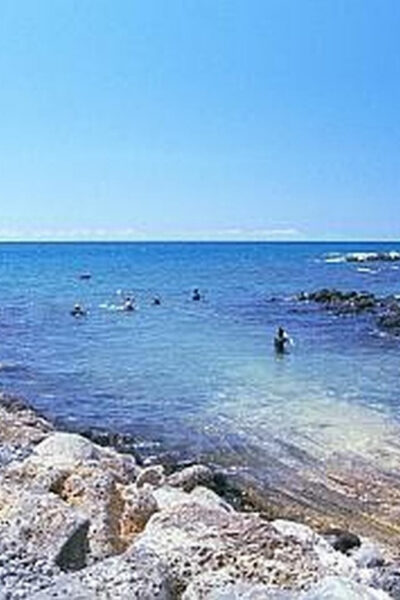
Koloa Landing is one of those places where the ocean seems to “do the talking” for you. Instead of a boat ride to some far-off spot, you’re working from the shore at Kauai’s well-known shoreline site. That’s the practical magic here: you can get real time in the water without turning the day into a logistics marathon.
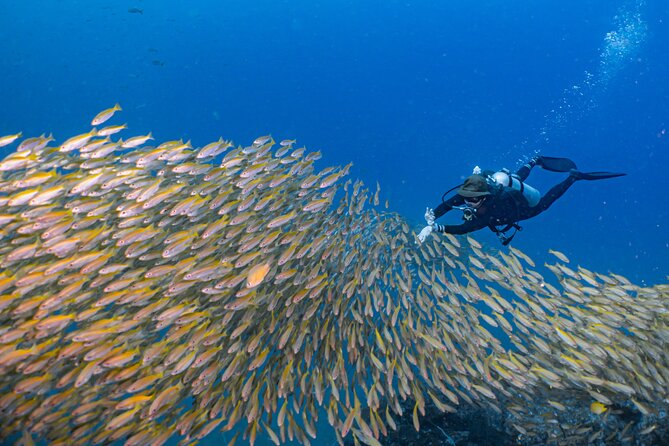
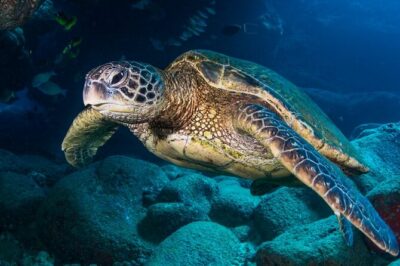
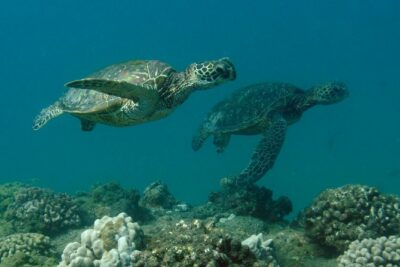
The star of the show is the population of Hawaiian green sea turtles—the operator notes there are over 50 at Koloa Landing. That doesn’t mean you’ll see them every single time. But it does mean you’re not gambling blindly. The guides know where the action tends to be, and the site is set up for shore-entry scuba with briefing and procedures designed to keep everyone safe.
This isn’t marketed as a beginner-friendly experience. You’re coming as a certified diver with skills already sorted. So what you’ll get is a guided outing that aims to put your skills to work in the best possible place, with the guide focusing on site safety and underwater navigation basics rather than teaching fundamentals.
What the 2-Hour Experience Feels Like (Step by Step)
This is an around-2-hour outing, and the pacing is built around one simple truth: shore diving takes coordination. Here’s how your day typically flows.
Check-in and certification check
You’ll meet at 2827 Poipu Rd, Koloa, HI 96756. You’ll check in at the shop and provide your required scuba certification. This matters because the tour is for certified divers only, and the staff needs to confirm you’re cleared to participate before equipment goes on and you’re brought to the site.
Get introduced to your guide, then head to the water
After the team loads equipment and introduces you to the professional guide, you’re transported to Koloa Landing. The operator includes private transportation, which is a nice value add because it saves you from figuring out timing and parking for a shore site with real-world ocean conditions.
More reef time with the honu
Site briefing first, then the water
Once you arrive, you’ll get a detailed briefing about the site and the procedures for a shore setup. This isn’t the kind of “quick pep talk” briefing that leaves you guessing. You’ll be walked through what to expect at the shoreline, what safety rules matter, and how the dive plan works with the conditions.
One diver noted that the shore conditions included a strong current. You can’t control the ocean, but you can control how prepared you are. So do not treat the briefing like background noise. The better you understand the plan, the less you’ll burn mental energy once you’re underwater.
Underwater Highlights: Sea Turtles at Koloa Landing
If sea turtles are your priority, you’ll be pleased with the focus of this outing. The operator directly ties the experience to seeing the local Hawaiian green sea turtles, noting it’s extremely rare not to see them. Still, because these are wild animals, they can move. You’re not signing up for a guaranteed encounter, you’re signing up for strong odds in a known turtle area.
What’s also worth understanding: turtle watching here isn’t just “spotting something and staring.” You’re underwater, using your buoyancy and awareness to observe without causing stress. The guide’s job is to keep you aligned with the safety plan and help you experience the ecosystem while staying in control.
In one account, a first open-water experience after certification turned into a turtle-heavy session—enough turtles that the diver couldn’t keep track. That’s the kind of result you can hope for with this site, especially with a small group.
Gear and What You’ll Need to Cover Yourself
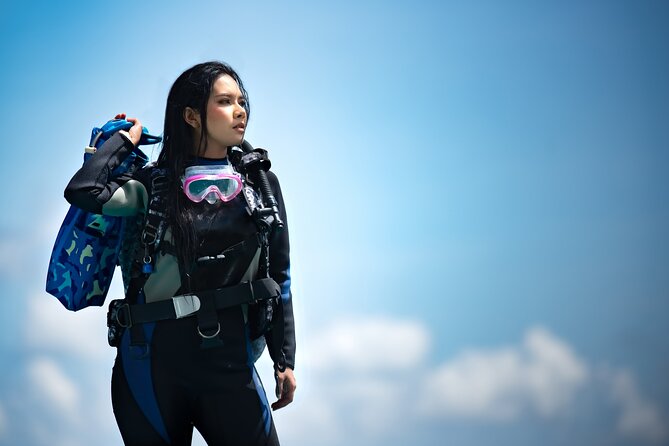
This experience includes a key chunk of your scuba kit, which helps with cost and packing.
Included gear:
- Wetsuit
- Mask
- Fins
- Booties
- Bottled water and snacks
Not included:
- Regulator
- BCD
So you should arrive knowing how you’ll handle regulator and BCD. If you don’t already have them, you’ll need a plan. The tour setup is set up for certified divers who already have the fundamentals of their system dialed in. If your gear setup is inconsistent, it can slow down your check-in-to-water flow.
Also, since they provide the wetsuit and certain accessories, it’s smart to dress accordingly. You don’t want your entire day to be “why am I freezing” after you get geared up.
Price and Value: Is $153.16 Worth It?
At $153.16 per person for about two hours, the value depends on your situation.
You’re paying for:
- A guide and organized shore dive operations
- Private transportation to the site
- A small group format (max 7)
- Included gear components (wetsuit, mask, fins, booties)
- Water and snacks
Where it can feel pricey:
- Regulator and BCD aren’t included, so if you’re starting from zero, your real cost may rise.
- This is certified-diver focused. If you’re not truly ready for the water conditions, you won’t benefit from the experience the way it’s intended.
Where it feels like a good deal:
- Shore sites in Hawaii can become time-consuming without local support. Private transportation plus a structured briefing means you’ll spend less energy on logistics and more on the experience.
- If your priority is turtle sightings, you’re paying for targeted site knowledge at a known shoreline turtle area—without needing to hire everything from scratch.
My practical take: if you’re already certified, comfortable in open water, and able to bring or arrange your regulator/BCD, this is a solid value for a Kauai turtle-focused scuba outing.
Shore Conditions: Current, Exercises, and Staying Flexible
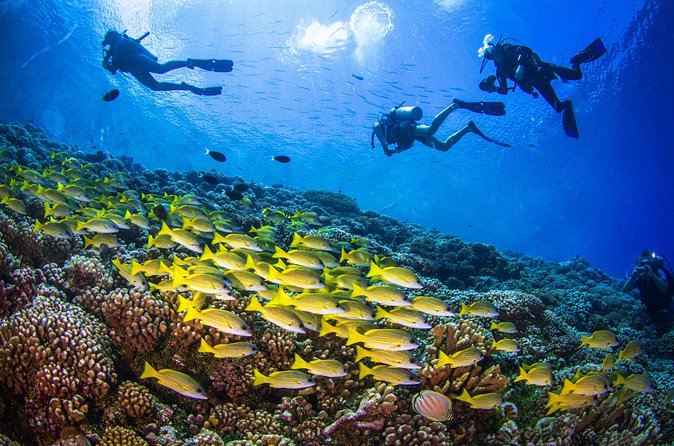
Here’s the honest part: shore setups can be less “controlled” than boat entries. Even when the site is the right one, ocean energy changes throughout the day.
One diver reported a heavy current and also mentioned that the guide had them do certain exercises. Their point wasn’t that the exercises were dangerous—it was more that they weren’t necessary for someone who already had the skills. Still, the takeaway for you is useful: expect to follow the guide’s direction.
If you’re a highly experienced diver, you can still do the exercises quickly and efficiently. It’s not about ego; it’s about matching the dive plan to the conditions and confirming the group stays synchronized. If you think you’re being asked to do something redundant, ask a question during the briefing or right at the start. Get clarification early and avoid friction once you’re underwater.
Your Post-Scuba Plan: The 1,000-Foot Rule
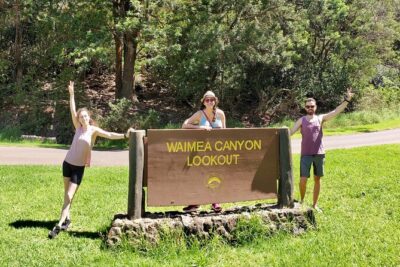
After your last dive, you’ll need to stay below 1,000 ft for 18 hours. The operator also lists specific restrictions, including interisland and commercial flights, helicopter tours, skydiving, and trips to Waimea Canyon.
This is the part people often overlook, so here’s how I’d plan around it:
- If you’re on a tight schedule (cruise day changes, interisland travel the same evening, etc.), you may need to reorganize the rest of your day.
- If you planned to fly later, don’t assume you can just “ask and see.” This rule is part of the experience requirements.
- Waimea Canyon trips can be impacted because they can involve elevation.
Treat it like a safety constraint you plan around, not a detail to shrug off. The best value in the world doesn’t matter if it forces you to cancel the rest of your day.
Logistics That Can Make or Break the Day
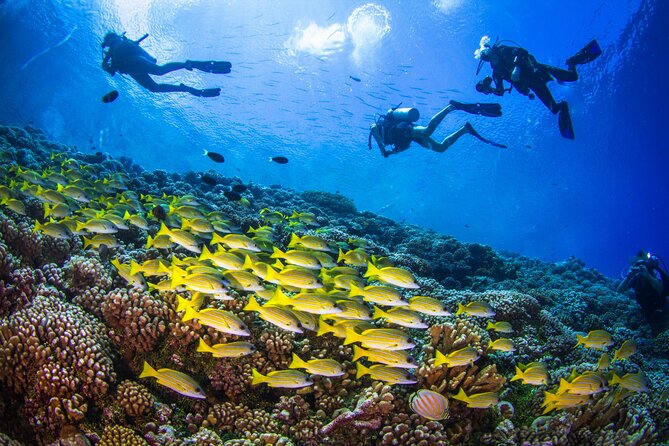
This outing has a clear meeting point and uses transportation to get you to the shore site. The operator includes private transport, which is great on paper.
One diver did report trouble with pickup timing from a port and said it wasn’t as expected, even while praising the company’s effort to get them back without missing their ship. That points to the main practical advice: confirm your pickup details before the day arrives.
Also, shore sites move fast. Bring your certification information and keep your start time in mind. The ocean doesn’t wait.
Who This Is Best For (and Who Might Pass)
This experience is best for:
- Certified divers who want a guided shore outing rather than a classroom session
- People prioritizing sea turtle encounters at a known shoreline spot
- Divers who like a smaller group and a briefing-led structure
- Anyone who’s comfortable with shore entry and can stay calm with possible current
You might consider a different option if:
- You’re not truly comfortable as a certified diver in open water conditions
- Your schedule includes activities that conflict with the 18-hour, below-1,000-ft rule
- You want a fully hands-on teaching experience (this is not offered here)
Should You Book This Turtle-Focused Shore Scuba Session?
I think this is an easy yes if your goal is Kauai Hawaiian green sea turtles and you’re already certified, properly equipped, and able to follow the post-activity altitude restrictions. The strong turtle reputation at Koloa Landing plus a small group and a structured briefing are the ingredients that make this work.
I’d hesitate only if you’re uncertain about your own comfort in shore conditions, or if your trip schedule includes elevation-heavy activities or flights in the 18-hour window. Also, if you’re arriving from a cruise port, double-check pickup expectations so you’re not scrambling near departure.
If you match those criteria, you’re very likely to get a memorable underwater encounter—especially with a guide who knows how to help you read the conditions.
FAQ
What location is this experience in?
It takes place at Koloa Landing in Kauai, Hawaii, and the meeting point is 2827 Poipu Rd, Koloa, HI 96756, USA.
How much does it cost?
The price is $153.16 per person.
How long is the experience?
It lasts about 2 hours.
Do I need to be a certified scuba diver?
Yes. This experience is for certified divers only, and it does not include a scuba instructor.
What equipment is included?
The experience includes a wetsuit, mask, fins, and booties.
What scuba gear is not included?
Regulator and BCD are not included.
Is transportation included?
Yes. Private transportation is included.
What are the requirements after the last dive?
You must remain below 1,000 ft for 18 hours after your last dive. The experience also lists restrictions including interisland and commercial flights, helicopter tours, skydiving, and trips to Waimea Canyon.
How many people are in a group?
The maximum group size is 7 travelers.
What is the cancellation policy?
Free cancellation is available. You can cancel up to 24 hours in advance for a full refund.
Is the tour language English?
Yes, it is offered in English.
More Kauai Dive Sites
Reef and Turtle Snorkels
Sunny Days on the South Shore
Just Reviewed: The Newest Kauai Tours

Poipu & South Shore Tours, compared.
 ★ 5.0Koloa Zipline in KauaiFrom $1696,764 reviews
 ★ 5.0Kauai’s Ultimate Guided Shore Snorkel in South PoipuFrom $119875 reviews
 ★ 5.0Kauai’s Ultimate South Island Zodiac Boat Snorkel AdventureFrom $161394 reviews
 ★ 5.0Po’ipu Surf LessonFrom $89361 reviews
 ★ 5.0Kauai’s Ultimate South Shore 2 Tank Dive (Certified Divers Only)From $210190 reviews
 ★ 4.5Kauai’s South Side Whale and Dolphin Zodiac Boat AdventureFrom $158163 reviews
 ★ 5.0Poipu and Koloa E-Bike Scenic TourFrom $167152 reviews
 ★ 5.0Kauai Waimea Canyon & South Shore Excursion. Small GroupFrom $225115 reviews
Browse the lists this tour appears in