
Reviewed · KAUAI FARM, GARDEN & CHOCOLATE TASTINGS
Kauai Private Baby Farm Animal Experience & Micro Dairy Immersion
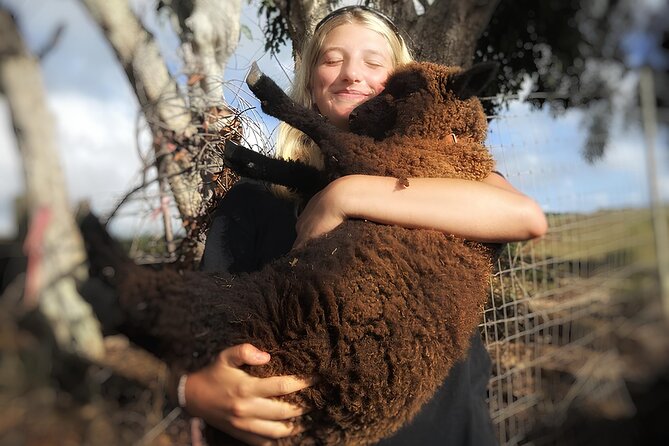
A baby-farm hug can be surprisingly practical. This private, volunteer-run Kauai farm experience pairs close-up baby animal time with real micro-dairy skills—so you’re not just watching, you’re learning how regenerative farming gets built day by day.
On top of the animals, you get a guided look at the farm’s big sustainability goals, like fruit-forest style plantings, riparian buffers, water catchment, and regenerative grazing.
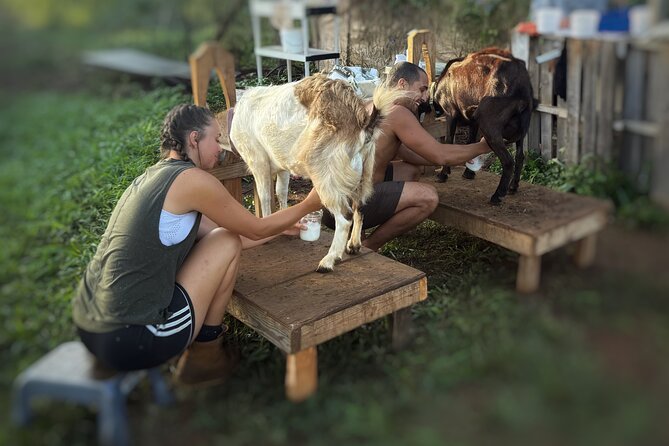
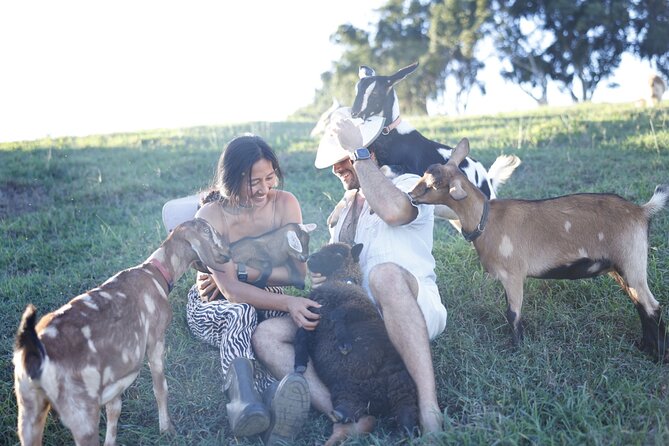
I love how much hands-on contact you can have—think cuddling mini goats and sheep, and bottle-feeding when the babies are in the mood. I also like the farm’s focus on food you can taste, including raw milk samples and even learning the A1 vs A2 difference during the milking-and-tasting part.
And because this is private, your guide can tailor the order and emphasis to your interests.
One thing to consider: this is a newer startup farm, so it’s intentionally not a polished, fully finished “prime time” show. You’ll see systems in progress, and some days might feel more working-farm than tour-attraction.
In This Review
- Key highlights worth booking for
- Entering a Kauai working baby farm, not a scripted attraction
- Who this private 50-minute tour fits best
- What you’ll do on the farm: baby animals, care skills, and farm tasks
- 1) Arrival and ground rules (aka how you keep the babies calm)
- 2) Cuddle, play, and (sometimes) bottle-feed mini goats, lambs, and calves
- 3) Meet other farm residents: turkeys, rabbits, and more
- 4) Milking and raw milk tasting (and why A1 vs A2 comes up)
- 5) Mini cow brushing and haltering (more likely for the 9 AM overlap)
- 6) Optional farm chores you might see: shearing, hoof trimming, compost, planting
- How conservation ideas connect to what you’re touching
- Tour guides you might meet: Jody, Taryn, Taren, Mercedes
- Price and value: is $125 for an hour worth it?
- Getting there in Kapaʻa: meeting point and navigation reality
- Weather and what to do if conditions change
- Should you book the Kauai Baby Farm & Micro Dairy experience?
- FAQ
- How long is the Kauai Private Baby Farm Animal Experience?
- What does it cost?
- Is this a private tour or a group tour?
- What animals will I interact with?
- Will I get to bottle-feed the baby animals?
- Will there be milking and milk tasting?
- What’s the difference between the 8 AM and 9 AM sessions?
- Where do I meet the guide?
- Is the tour weather dependent?
- Can I cancel for a refund?
Key highlights worth booking for
- Baby animal time that feels like bonding, not a line-and-photo routine
- Milking and raw milk tasting (goat or sheep, depending on the day)
- Mini cows: brushing, haltering, and close care
- Sustainability lessons you can picture, like water catchment and riparian buffers
- Seasonal farm samples (fruit, papaya sometimes) when available
- A flexible guide who adjusts to your group’s pace and interests
Walk another farm, chocolate and all
- Princeville Botanical Gardens Tour and Chocolate Tasting Ticket★ 5.0 · 774 reviews
- Kauai Chocolate Farm Tasting Tour★ 5.0 · 666 reviews
- Kauai: Allerton Garden Guided Group Walking Tour★ 4.6 · 159 reviews
- Farm and Food Experience in Kilauea★ 4.5 · 101 reviews
Entering a Kauai working baby farm, not a scripted attraction
Kauai has no shortage of animal encounters, but this one works differently. You’re stepping into a developing farm project run by volunteers and local caretakers. The point isn’t a polished performance. The point is connection—between people, animals, and land—and showing how a micro-dairy grows from scratch.
That “young farm” vibe actually helps the experience feel authentic. It means you’ll likely see the day’s real tasks, and you’ll hear the practical reasoning behind them. The farm’s vision leans sustainability first: improving habitat with fruit-forest ideas, protecting waterways with riparian buffers, collecting water through catchment systems, and practicing regenerative grazing. You don’t have to understand farming ahead of time; the guide will translate it into plain talk you can follow.
This is also private. That matters more than you’d think. In a group setting, you spend time waiting your turn. Here, you can spend more time actually interacting—especially with the babies that are the heart of the visit.
Who this private 50-minute tour fits best
This tour is a great match if you like animals and you don’t mind getting a little involved. You should enjoy hands-on moments like feeding, petting, brushing, and learning basic care routines. Several people loved that it’s family-friendly and still feels like a real working farm, not a let-kids-run-wild stop.
It also fits best if you’re curious about micro-dairy and sustainability. The milking portion plus the milk tasting turns the visit from cute-only into something with real food education. And if you care about the “why” behind farming choices—water systems, soil and habitat, regenerative grazing—this farm gives you that story in a grounded way.
If you want a mostly observational tour with minimal animal contact, you might find this too active. This place is about touching and doing, within farm rules. Think closed-toe shoes, attention to instructions, and a willingness to meet animals at their pace.
What you’ll do on the farm: baby animals, care skills, and farm tasks
Plan on about 45 minutes to 1 hour of guided time on-site. The rhythm is simple: introductions, baby animal time, hands-on interaction and (often) milking, then a guided look at conservation and ongoing farm work. What you do most depends on the animals that day and what the farm needs to finish.
1) Arrival and ground rules (aka how you keep the babies calm)
From the start, the farm sets you up to interact safely and respectfully. You’ll get directions that keep the animals comfortable—especially important with babies that can be spooked by sudden movement or loud chaos. You’ll want to follow instructions closely and not rely on instincts like you would at a casual petting zoo.
Practical tip: bring closed-toed shoes. One person specifically mentioned mud, and since this is a working farm, you should expect some wet ground at times. Dress for “Kauai weather plus farm chores,” not for a clean photo.
Keep the day to your own crew


2) Cuddle, play, and (sometimes) bottle-feed mini goats, lambs, and calves
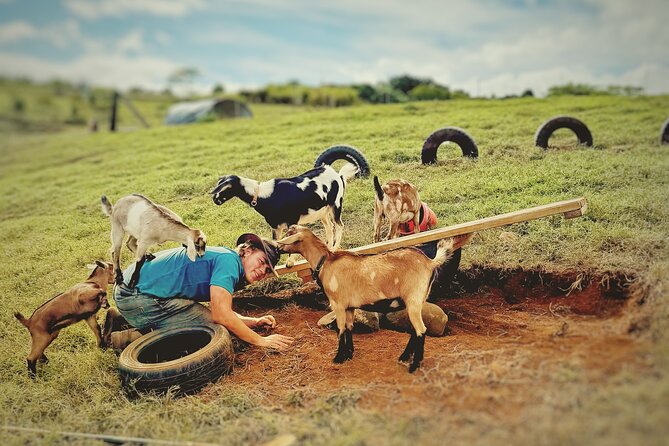
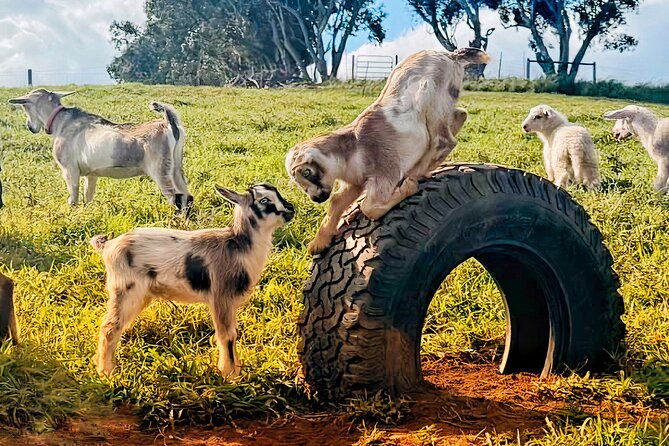
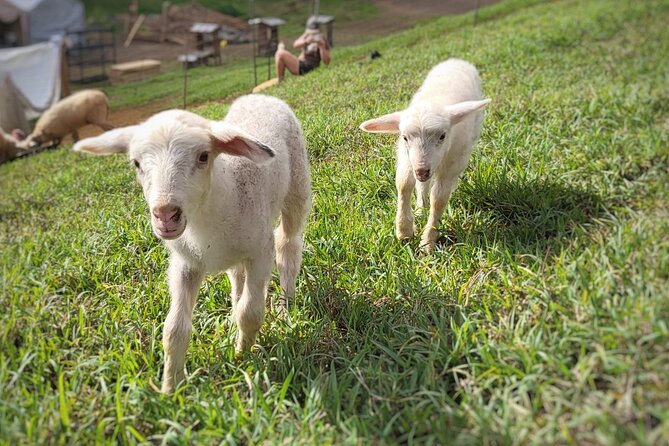
The headline here is baby animal time. You’ll likely spend a chunk of your visit with playful mini goats, and you may also meet lambs and mini calves. The babies are the reason people remember this tour.
Bottle-feeding is part of the experience, but it’s not forced. The farm notes you’ll bottle-feed if they’re willing, and that’s a good approach. When the animals are receptive, it turns into a calm, sweet bonding moment. When they’re not, you’ll still get plenty of cuddling and play time.
This is also where the “private” angle really shines. You can linger with the babies that click with your group, rather than being rushed through a checklist.
3) Meet other farm residents: turkeys, rabbits, and more
It’s not only goats. You might meet turkeys, rabbits, silkies, and other small residents that make the farm feel lived-in. This is the part that helps the experience feel like a farm community rather than a single exhibit.
If you’re the kind of person who likes animals with different personalities, you’ll probably find yourself gravitating to the birds and rabbits after the baby goats. And if your group includes a kid, it gives them more than one “favorite” moment.
4) Milking and raw milk tasting (and why A1 vs A2 comes up)
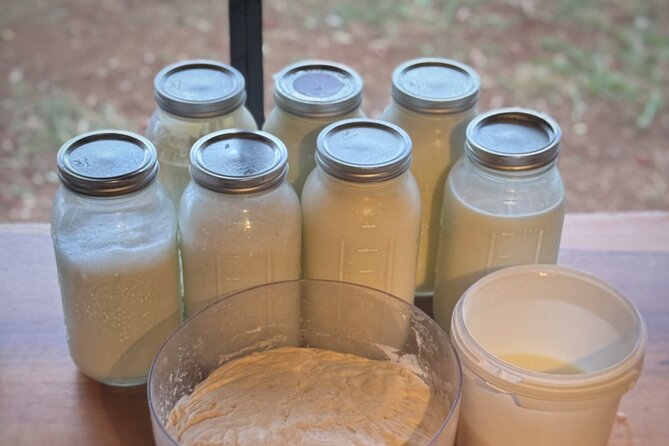
A major reason people call this a standout is the dairy portion. Depending on what’s happening and the session time, you may:
- observe and try milking a goat or sheep
- sample raw milk
One review tied the experience to learning the difference between A1 and A2 milk, and then tasting the fresh milk afterward. That’s exactly the kind of “small education, big takeaway” detail that makes a farm stop stick with you.
Now, a quick reality check: milking can feel hands-on and messy in the real world. If you hate getting your hands dirty, you’ll still participate as instructed, but you may not get to do everything. Still, the tasting is usually part of the payoff.
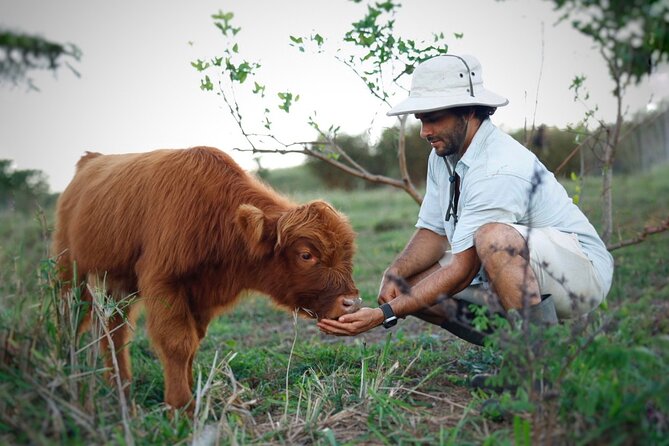
5) Mini cow brushing and haltering (more likely for the 9 AM overlap)
You can also get close with mini cows—often involving brushing, haltering, and bonding. The schedule hints at a pattern:
- 8 AM sessions are more likely to overlap with milking
- 9 AM sessions are more likely to include mini cow haltering
So if you care most about dairy skills and milk tasting, aim for the earlier slot. If you want more time with the mini cows, the later slot may fit better.
6) Optional farm chores you might see: shearing, hoof trimming, compost, planting
This is where you see the working side. The farm may include tasks like shearing, hoof trimming, compost turning, or planting—depending on season and day-to-day needs. One big theme: you’re not just touring a barn. You’re watching parts of the process that keep a farm running.
Even if you don’t do the chores yourself, you’ll learn what they’re for. That context turns the “cute animals” part into “oh, this is real work” in a way that feels respectful, not flashy.
How conservation ideas connect to what you’re touching
The conservation talk isn’t random lecture. It’s tied to the farm’s goals for the land that supports the animals and food system.
You’ll hear about:
- fruit forests (using plants to create long-term habitat)
- riparian buffers (protecting waterways)
- water catchment (collecting and using water more wisely)
- regenerative grazing (building soil and pasture health over time)
This matters because it turns the animals from a novelty into part of a broader plan. You’re learning how a micro-dairy can connect to ecology instead of just producing milk.
And because the farm is still growing, you can see the early chapters. That’s a big reason people feel the visit is memorable: it’s not just theory. It’s a project in motion.
Tour guides you might meet: Jody, Taryn, Taren, Mercedes
The experience clearly depends on the guide, and names pop up in people’s stories. You might meet:
- Jody, described as deeply caring and great with communication
- Taryn (or Taren), described as welcoming and knowledgeable during the tour
Mercedes is another name tied to positive animal interaction and good explanations.
Even without knowing which guide you’ll get, you can expect a friendly teaching style. The vibe is practical: what they’re doing, why they’re doing it, and what it means for the animals and the land.
Price and value: is $125 for an hour worth it?
At $125 per person for about 50 minutes, this isn’t a budget activity. It costs more than a general petting-zoo-style stop, and that’s fair.
Here’s what you’re paying for, value-wise:
- it’s private, so you get time with the animals instead of waiting in line
- you get hands-on feeding and bonding
- you may get milking practice and raw milk tasting
- your guide tailors the experience to your interests
- you leave with seasonal farm samples when available
If you love animals but prefer experiences that feel personal and educational, the price starts to make sense. If you’re expecting a long show, or you want a polished, low-effort attraction, then $125 might feel steep.
My advice: think of this as a “small, local working farm lesson” rather than a mass-market attraction.
Getting there in Kapaʻa: meeting point and navigation reality
The meeting point is at 5431 Hauaala Rd, Kapaʻa, HI 96746. The tour is near public transportation, but you may need a 25–30 minute walk from Kealia Stop.
One practical warning from a real-world experience: GPS can route you off the grid, so rely more on directions from the operator and follow the instructions closely. If you’ve ever had a “we’re definitely not on the right road” moment in rural Kauai, you already know the feeling—this is that.
Also, because this is a farm setup, don’t plan on heels or delicate shoes. Bring clothing that can handle mud.
Weather and what to do if conditions change
This experience needs good weather. If it gets canceled due to poor weather, you’ll be offered a different date or a full refund. Since Kauai rain can pop up without warning, build some flexibility into your day.
If you’re traveling on a tight schedule, book early so you have more backup options.
Should you book the Kauai Baby Farm & Micro Dairy experience?
Book this if you want:
- real baby animal contact with goats, lambs, and mini calves
- a chance to milk and taste raw milk, not just look around
- sustainability explanations tied to what the farm is actually building
- a private experience where your interests shape the time
Skip it if:
- you want minimal mess and minimal touching
- you’re expecting a fully finished “tour attraction” farm with no startup quirks
- you prefer strictly hands-off viewing
For most people, this is one of those rare animal activities that feels both fun and useful. Just come ready for farm life—mud happens, babies are unpredictable, and that’s part of the charm.
FAQ
How long is the Kauai Private Baby Farm Animal Experience?
It runs about 50 minutes on average, and the experience is described as 45 minutes to 1 hour.
What does it cost?
The price is $125.00 per person.
Is this a private tour or a group tour?
It’s a private experience. Only your group participates.
What animals will I interact with?
You can expect baby interactions with mini goats, lambs, and mini calves, plus other farm animals like mini cows (brushing and haltering), and you might also meet turkeys, rabbits, silkies, and more.
Will I get to bottle-feed the baby animals?
You can bottle-feed if the babies are willing. Feeding and play time is guaranteed.
Will there be milking and milk tasting?
The tour notes you may observe and try milking a goat or sheep and sample raw milk.
What’s the difference between the 8 AM and 9 AM sessions?
The experience says 8 AM is more likely to overlap with milking, while 9 AM is more likely to include mini cow haltering.
Where do I meet the guide?
The meeting point is 5431 Hauaala Rd, Kapaʻa, HI 96746.
Is the tour weather dependent?
Yes. The experience requires good weather. If it’s canceled due to poor weather, you’ll be offered a different date or a full refund.
Can I cancel for a refund?
Yes. You can cancel for a full refund up to 24 hours in advance. If you cancel less than 24 hours before the start time, the amount paid is not refunded.
Private Kauai Days, Your Pace
More Tour Reviews in Kauai



Farms, Gardens and Chocolate




Just Reviewed: The Newest Kauai Tours





Kauai Farm, Garden & Chocolate Tastings, compared.
 ★ 5.0Princeville Botanical Gardens Tour and Chocolate Tasting TicketFrom $126774 reviews
 ★ 5.0Kauai Chocolate Farm Tasting TourFrom $145666 reviews
 ★ 4.6Allerton Garden Guided Group Walking TourFrom $63159 reviews
 ★ 4.5Farm and Food Experience in KilaueaFrom $39101 reviews
 ★ 4.4McBryde Garden Self Guided VisitFrom $3161 reviews
 ★ 4.6Allerton Garden and Estate Tour with Sunset DinnerFrom $10655 reviews
 ★ 5.0Inside the Hive: Kauai Honey and Bee TourFrom $12039 reviews
 ★ 5.0Pick and Taste Tropical FruitFrom $11918 reviews
Browse the lists this tour appears in